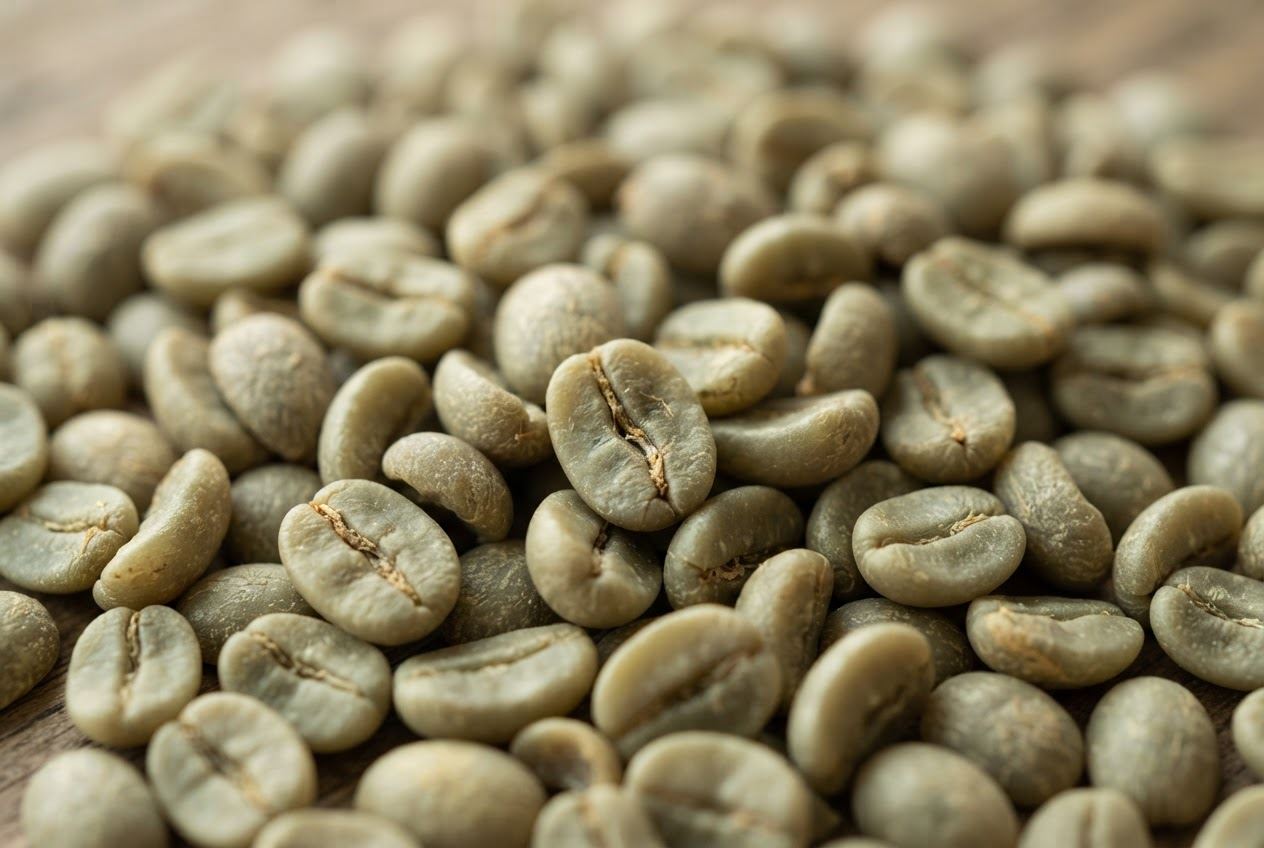
Every Ethiopian export lot carries a grade from 1 to 5, plus Undergrade. The number tells you one thing: how many defects were found in a sample of green beans. It is the fastest way to know what you are buying before you cup it.
What a grade measures
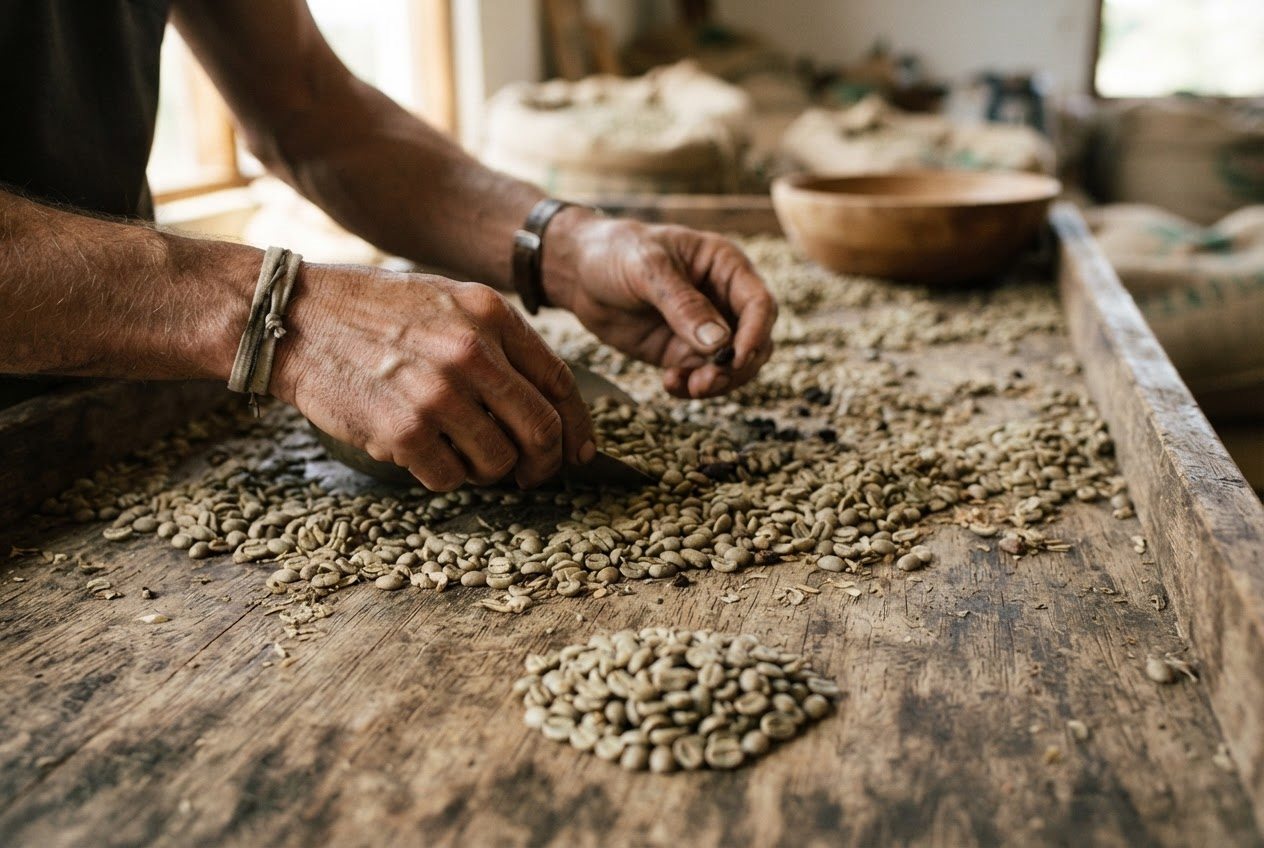
Ethiopia's Coffee and Tea Authority takes a 300 g sample from each lot, counts the defective beans, and cups the coffee. The defect count sets the grade. The cup has to pass too: a lot with a clean count but a faulty cup does not get certified.
Primary vs secondary defects
Primary defects, like full black or sour beans, fungus damage or stones, can ruin a cup on their own. Grade 1 allows none. Secondary defects, like broken, immature or insect-nibbled beans, are smaller faults that count against the grade when they add up.
“A single primary defect can downgrade a whole lot. That's why we sort twice before the grade is set.”
Grades at a glance
| Grade | Defects | Typical use |
|---|---|---|
| Grade 1 | Zero primary defects | Specialty, single origin |
| Grade 2 | Very few primary defects | Specialty |
| Grade 3 | More defects allowed | Commercial, blends |
| Grade 4 | Higher defect count | Commercial |
| Grade 5 / UG | Mostly sold locally | Not exported |
What it means when you order
Ask for the grade on the export certificate, not just the offer sheet. Then cup the sample at your own table. If the grade and the cup agree, you know what will arrive. We supply Grades 1–2 for specialty buyers and Grades 3–4 for commercial and blending programmes.